
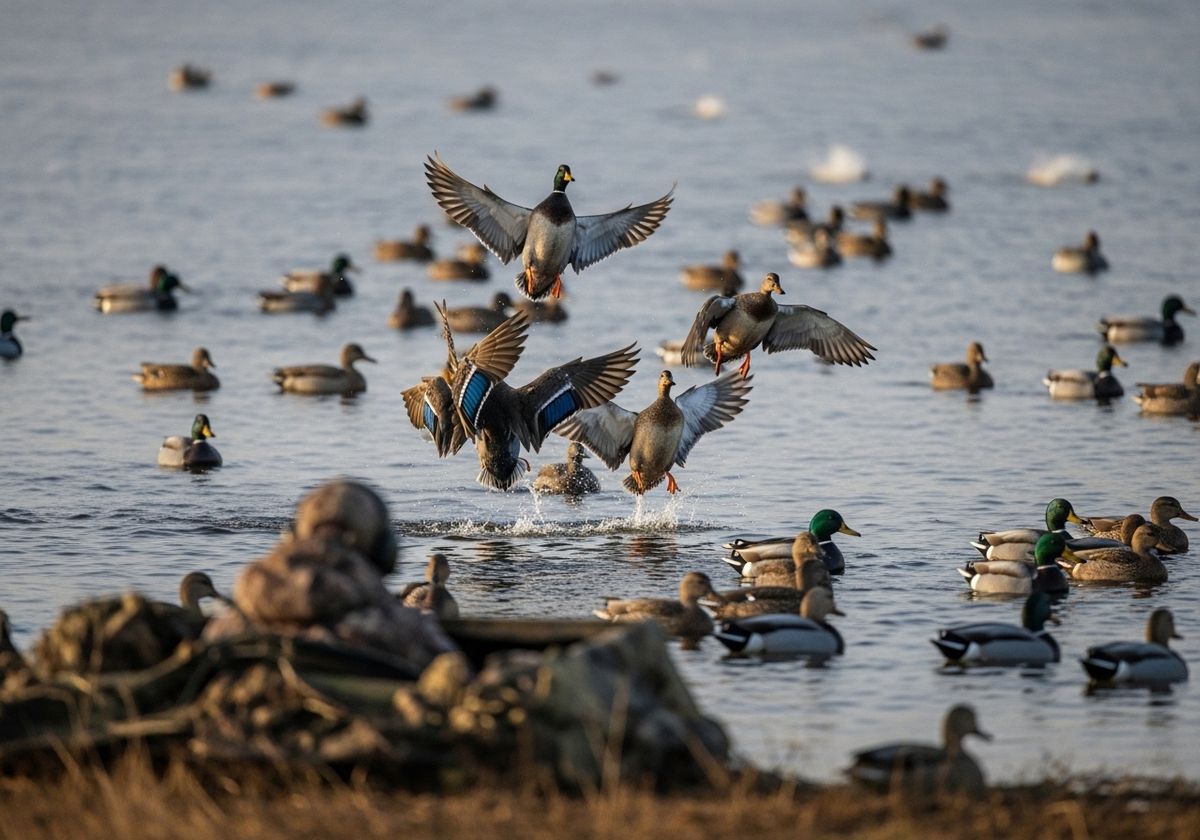
Ducks flaring at the last second can be one of the most frustrating experiences for any waterfowl hunter. You've meticulously scouted, set up the perfect spread, and the birds are locked on, only to have them suddenly veer away just as they're within shooting range. Understanding why this happens is crucial for improving your success in the field. Let's explore some of the primary reasons behind this behavior. Reach out to our team at Whistlepig Outdoors for more information!
Identifying Common Causes
One of the most common reasons ducks flare is due to unnatural or poorly placed duck decoys. Ducks have excellent vision, and they can quickly pick up on inconsistencies in your spread. If your decoys are clumped together too tightly, not facing the right direction, or lack realistic movement, wary ducks will often avoid committing. Similarly, excessive or unnatural movement from motion duck decoys can also spook birds, especially on calmer days when subtle realism is key.
Another significant factor is visibility. Ducks often flare when they spot movement or unnatural shapes on the ground, such as hunters shifting, shiny faces, or poorly concealed blinds. It’s essential to stay still and make sure your blind blends seamlessly with the surrounding environment. Flags, while effective at attracting attention from a distance, can also cause ducks to flare if used too aggressively or at close range.
Loud or incorrect hunting calls can also alert ducks to danger. Overblowing calls, using the wrong tone, or calling too frequently can sound unnatural and cause ducks to flare. Learning to mimic natural duck sounds and understanding when to call sparingly can make a significant difference.
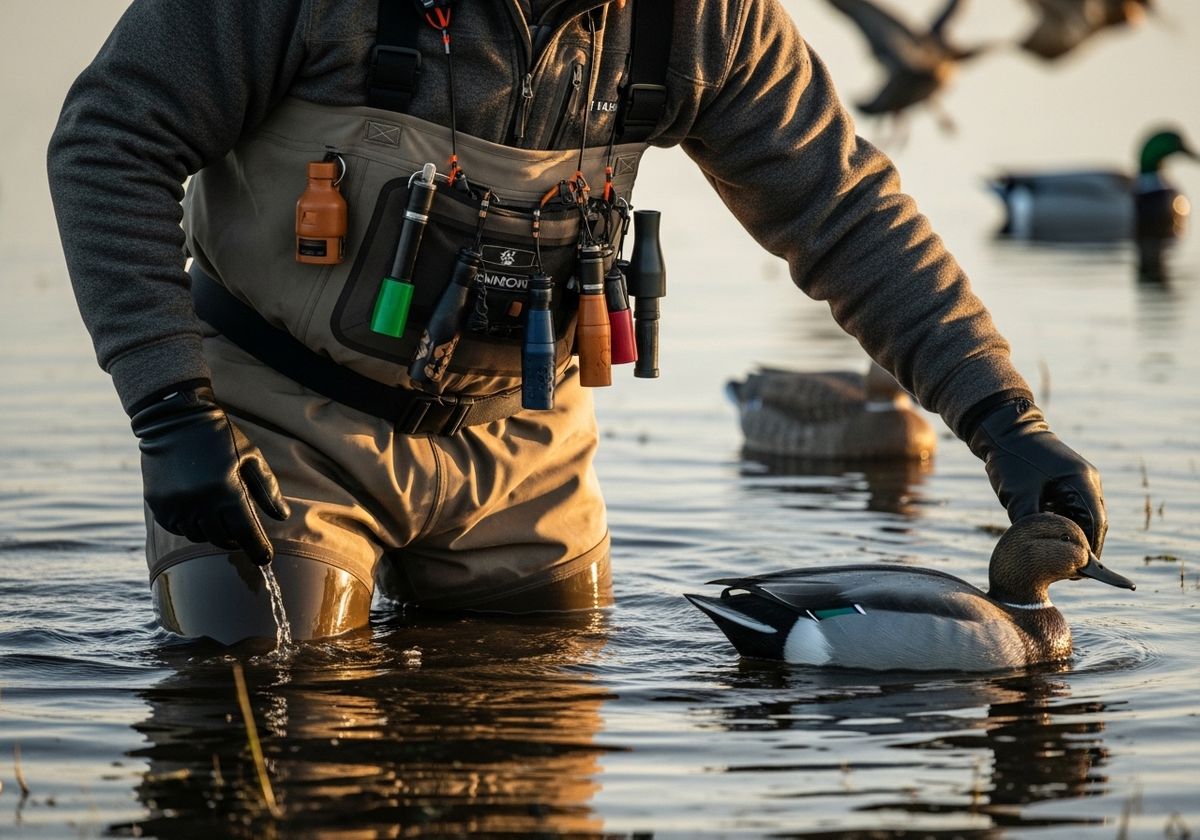
Gear
Choosing the right waterfowl hunting gear will always contribute to the number of ducks you're able to take home. Having the right tools for the job allows you to spend less time worrying about if your gear is helping or hurting you. Products like duck hunting waders, motion duck decoys, and hunting calls, all play a roll in a successful hunt!
Solutions to Prevent Flaring
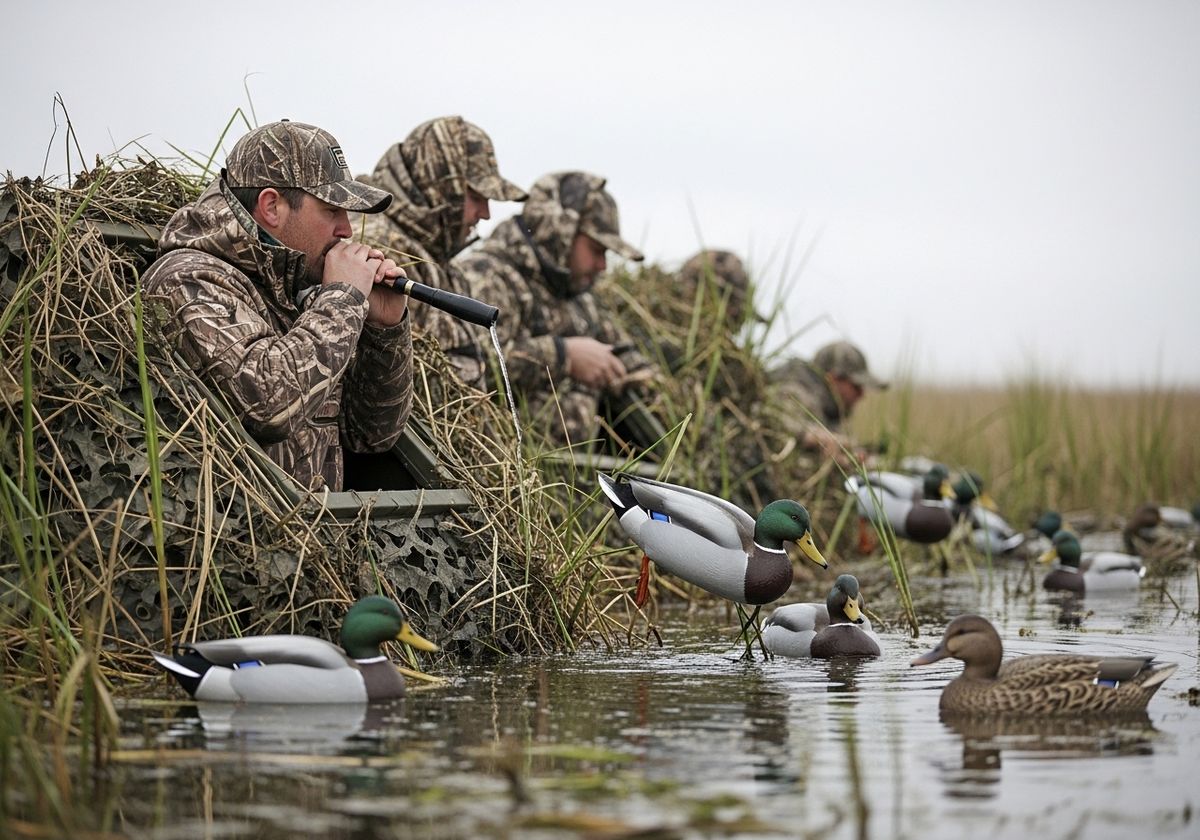
To minimize flaring, focus on creating a realistic and natural setup. Here are some things to keep in mind:
Decoy Placement: Space your decoys out naturally, mimicking how ducks gather in the wild. Vary the species and poses of your decoys to add realism. Ensure decoys are clean and free of unnatural shine.
Concealment: Camouflage your blind thoroughly with natural vegetation. Wear camouflage clothing that matches the environment, and stay as still as possible when ducks are approaching.
Calling: Learn to call sparingly and accurately. Practice different calls and understand when to use them based on the ducks' behavior. Use a call that mimics the natural sounds of the ducks you're hunting.
Motion: Use motion duck decoys judiciously. In calm conditions, subtle movement is more effective. In windy conditions, more aggressive motion can help attract attention without spooking birds.
By understanding why ducks flare and implementing these strategies, you can significantly improve your success in the field. Remember, attention to detail and a commitment to realism are key to fooling even the wariest of waterfowl. At Whistlepig Outdoors, founded in 2023, we understand the nuances of hunting and provide high-quality hunting products to help you succeed. From duck hunting waders to a variety of motion duck decoys and hunting calls, we have the gear you need for a successful hunt. Check out our collection and gear up for your next waterfowl adventure!