
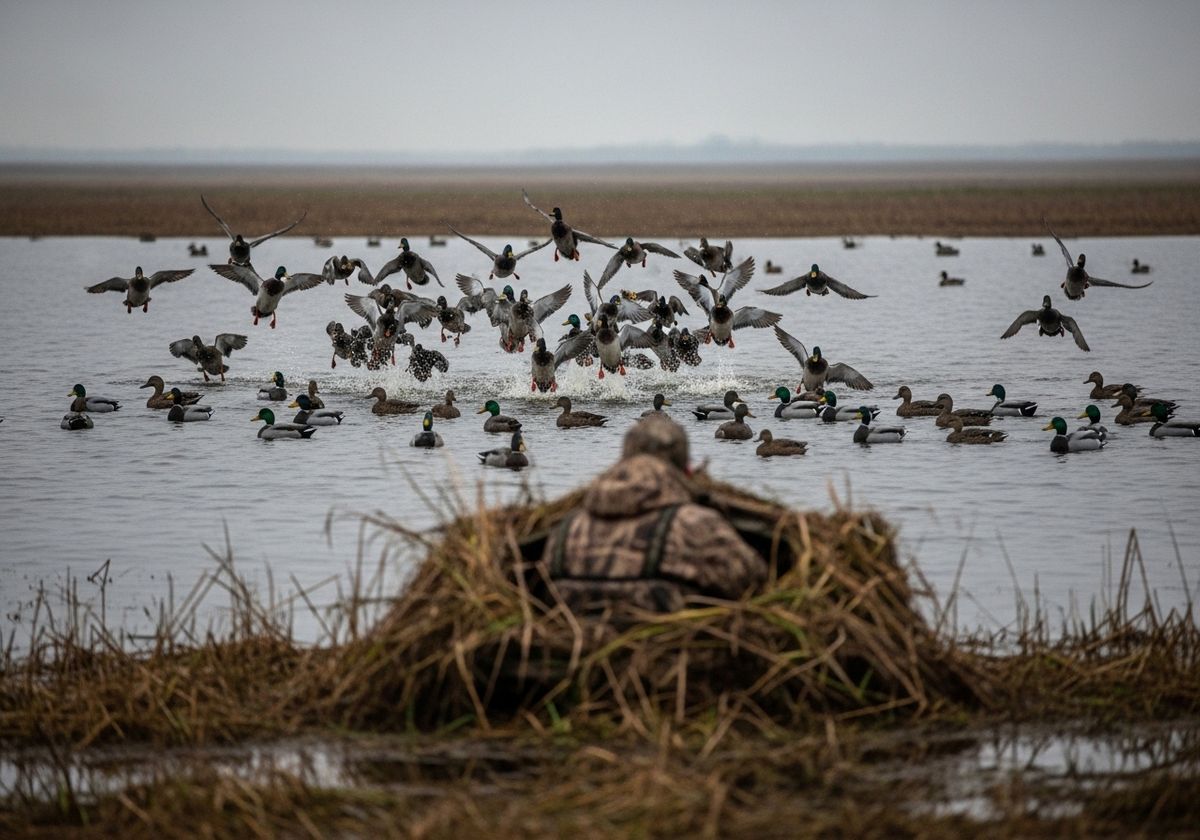
Waterfowl hunting can be a thrilling pursuit, but there's a universal frustration every hunter experiences: ducks circling tantalizingly, yet refusing to commit. Understanding why this happens is crucial to improving your success in the field. Let's dive into the reasons behind this behavior and how you can turn those circling birds into birds in the bag. Connect with Whistlepig Outdoors to learn more!
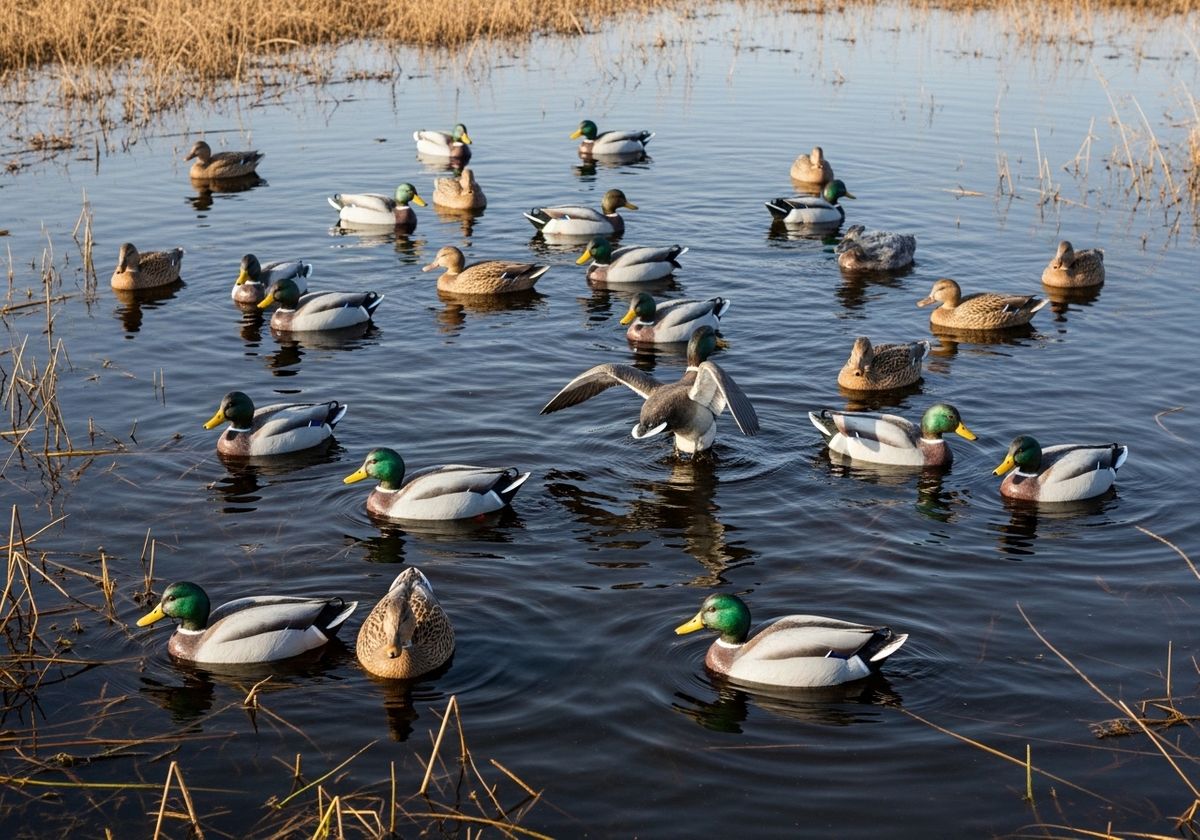
Decoy Spread Issues
A poorly designed decoy spread is a common culprit. Here are a few things to consider:
Too few decoys: A sparse spread might not be visible enough to attract attention or provide a sense of security.
Unnatural patterns: Ducks are wary of symmetrical or overly uniform setups. Vary the spacing and orientation of your decoys.
Lack of realism: Stale or dirty decoys, or decoys with unnatural postures, can spook birds. Ensure your decoys are clean and lifelike. Consider adding motion duck decoys to create a more dynamic and realistic spread.
Calling Inconsistencies
Your hunting calls play a critical role in convincing ducks to commit. Over-calling or using the wrong types of calls can be detrimental. Pay attention to the birds' reactions:
Too much calling: If ducks flare away when you call, reduce the frequency and volume.
Incorrect calls: Different calls are effective in different situations. Experiment with various calls to find what works best for the birds you're targeting.
Poor quality calls: A raspy or unnatural-sounding call can deter ducks. Invest in quality hunting calls and practice using them effectively.
Blind Concealment
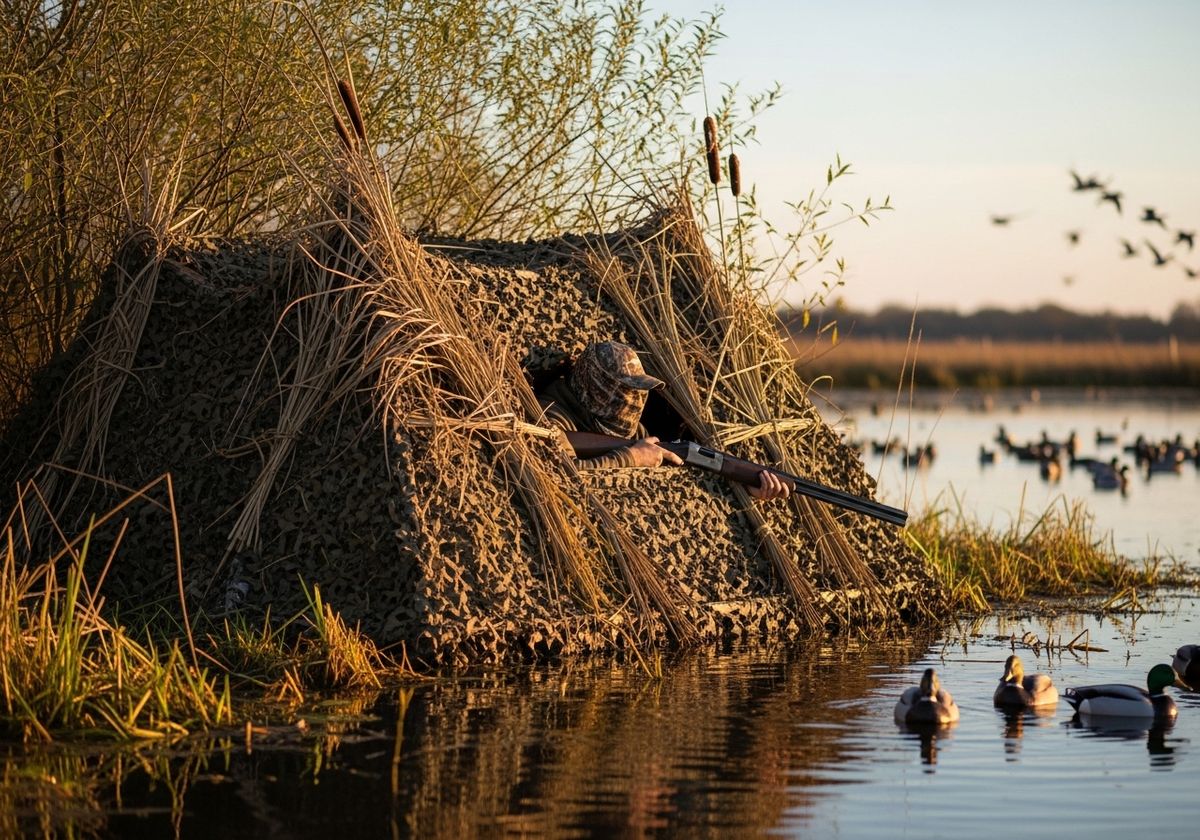
Ducks have excellent eyesight, and a poorly concealed blind is a major red flag. Ensure your blind blends seamlessly with the surrounding environment:
Brush it in well: Use natural vegetation from the area to camouflage your blind.
Minimize movement: Avoid unnecessary movements inside the blind, as these can easily spook birds.
Reduce shine: Cover any shiny surfaces that could reflect sunlight.
Weather Conditions
Weather significantly influences duck behavior. Adapt your strategy based on the conditions:
Wind direction: Position your spread so ducks will approach into the wind.
Barometric pressure: Ducks tend to be less active during periods of high pressure.
Cloud cover: Overcast days often lead to better hunting, as ducks are more likely to move around.
Hunter Movement
Staying still is crucial for concealment, and any movement can alert ducks to your presence, especially when they are circling at close range:
Stay still: Ensure you minimize your movements, especially when the birds are close to committing to the decoys.
Keep calls hidden: When calling ducks, ensure your hands and the calls are kept out of sight so they don't get spotted.
Successfully coaxing ducks to commit requires understanding their behavior, attention to detail, and adaptability. By addressing issues with your decoy spread, calling, blind concealment, and adapting to weather conditions, you can significantly improve your success rate. Remember that having the right waterfowl hunting gear, like quality duck hunting waders for comfort and mobility, is also important. At Whistlepig Outdoors, we're committed to providing high-quality hunting products to enhance your hunting experience. Check out our selection of waterfowl hunting gear and motion duck decoys today, and gear up for a more successful hunt this season!