
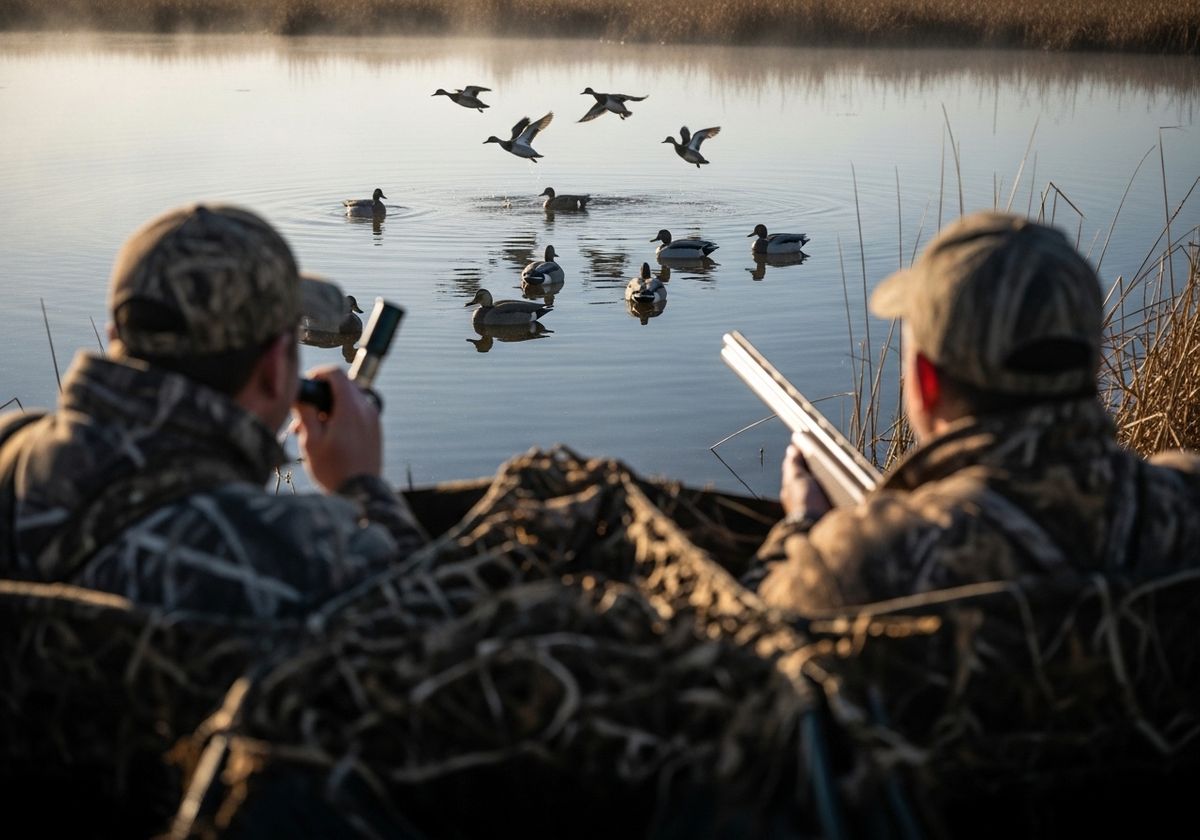
Knowing when to stop calling in waterfowl hunting is a skill often overlooked, yet it’s crucial for success. Overcalling can spook birds, while calling too little might not attract them effectively. Mastering this balance can significantly improve your hunt.
Understanding Duck Communication
Ducks communicate through a variety of calls, each serving a different purpose. The most common calls include:
Greeting Call (or “hail call”): Used to attract attention from a distance.
Feeding Call (or “chuckle”): Indicates contentment and encourages ducks to join in feeding.
Comeback Call: Used to redirect ducks that are leaving.
Understanding these calls helps you mimic natural duck sounds, but knowing when to stop is just as important.
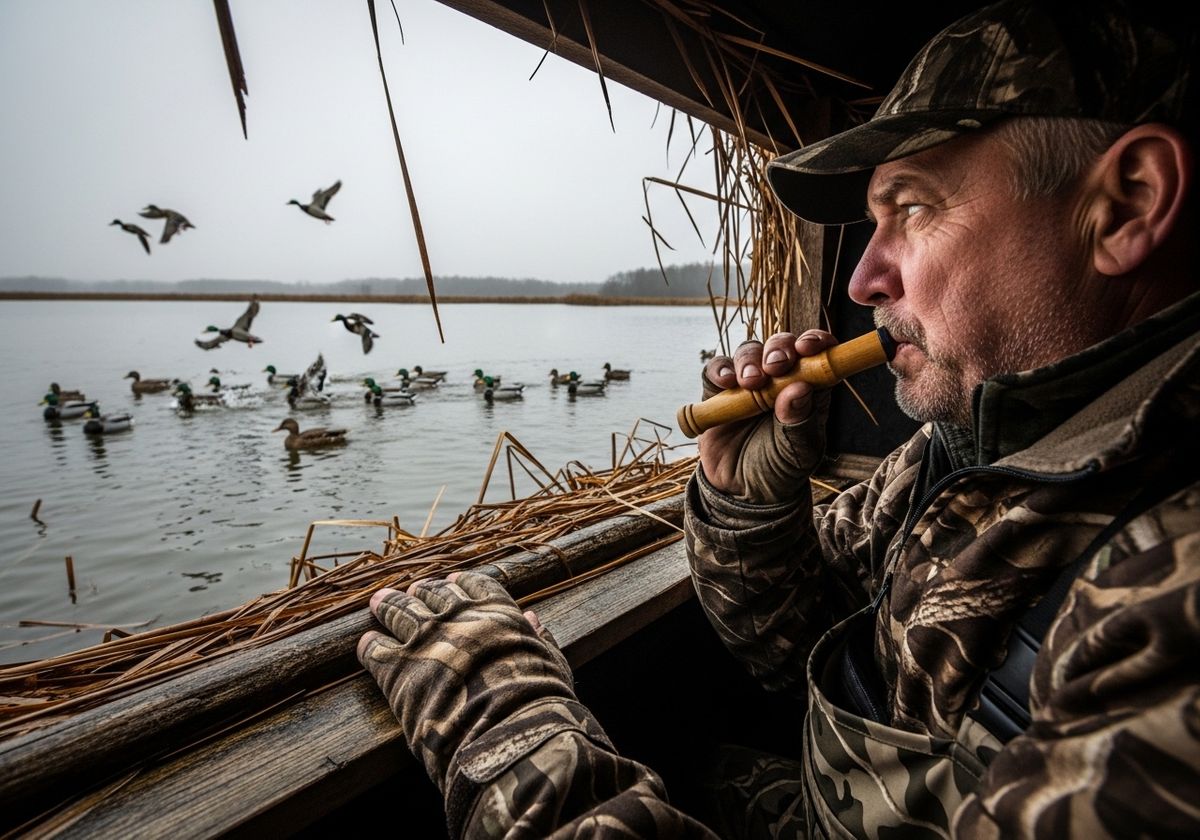
Recognizing When to Stop Calling
Ducks are Approaching: Once ducks have noticed your spread and are heading your way, reduce calling. Constant calling can make them suspicious. Let the decoys do their job as the birds get closer.
Birds are Circling: If ducks are circling but not committing, less is often more. A few soft feeding calls might reassure them, but aggressive calling at this stage can be counterproductive.
Ducks are Acting Spooked: If you notice ducks flaring or quickly changing direction, stop calling immediately. They may have identified the source of the call as unnatural or threatening.
Late Season Hunting: During the late season, ducks become call-shy due to increased hunting pressure. Soft, subtle calls or no calling at all can be more effective.
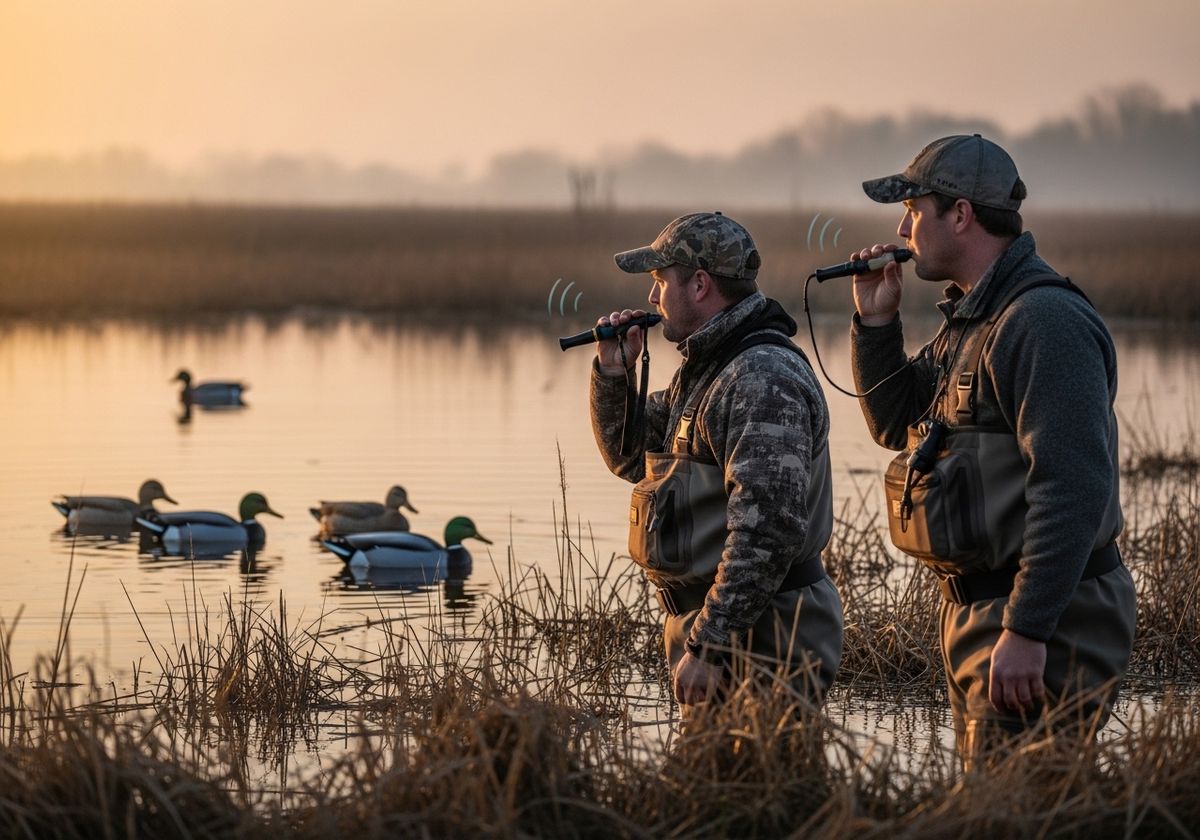
Tips for Effective Calling
Vary Your Calls: Use a mix of greeting, feeding, and comeback calls to sound more natural.
Adjust to the Conditions: On windy days, ducks may not hear soft calls, so you may need to call louder. On calm days, less is more.
Watch Duck Behavior: Pay close attention to how ducks react to your calls and adjust accordingly.
Use Quality Hunting Calls: Invest in good quality hunting calls that can produce realistic sounds. This will enhance your ability to mimic ducks effectively.
Consider Motion Duck Decoys: Incorporate motion duck decoys into your spread to add movement and realism, which can be particularly effective when you're calling less.
Stay Comfortable: Ensure you have comfortable and reliable duck hunting waders to stay focused and effective during long hunts.
Mastering when to stop calling is about understanding duck behavior and adapting to different hunting situations. By paying attention to how ducks react and adjusting your calling strategy, you can become a more successful waterfowl hunter. Remember, the right gear, including quality hunting calls and motion duck decoys, can enhance your effectiveness in the field. At Whistlepig Outdoors, established in 2023, we're committed to providing high-quality hunting products to elevate your hunting experience. Explore our selection of waterfowl hunting gear and discover the difference the right equipment makes. Check out our latest collection of hunting calls, and don't forget to browse our range of duck hunting waders to ensure you're prepared for any conditions.