
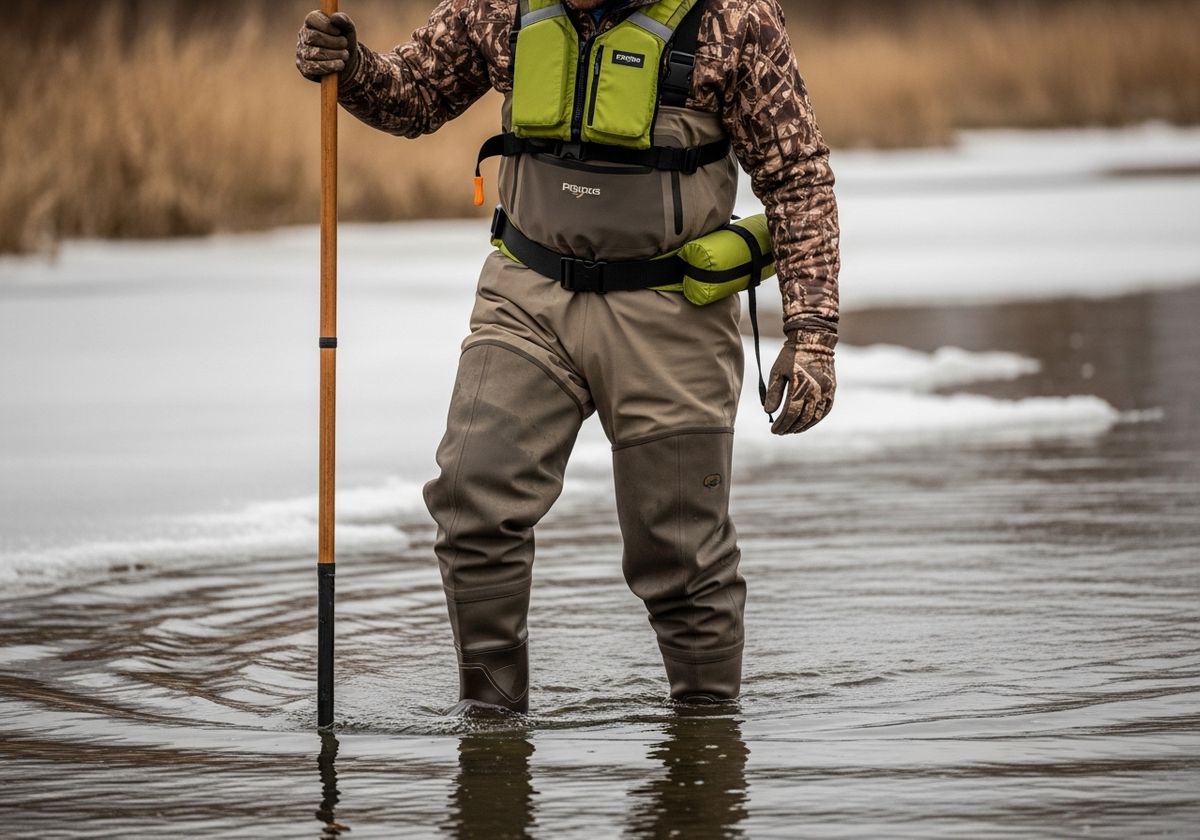
Wader hunting for waterfowl can be an exhilarating experience, immersing you directly in the environment and increasing your chances of a successful hunt. However, it's crucial to prioritize safety when wading in potentially cold and deep waters. Being prepared and aware of the risks can make all the difference. This guide from Whistlepig Outdoors will outline essential safety measures to ensure a safe and enjoyable waterfowl hunting experience.
Essential Gear for Wader Safety
Investing in the right gear is the first step in ensuring your safety. Here's what you need:
High-Quality Duck Hunting Waders: Choose waders made from durable, waterproof, and insulated material. Neoprene waders are a great option for colder conditions, while breathable waders are suitable for milder weather. Ensure your waders fit properly to allow for comfortable movement.
Wader Belt: A wader belt is non-negotiable. It cinches around your waist, preventing water from rushing into your waders in case you fall, which can weigh you down and lead to hypothermia.
Personal Flotation Device (PFD): Wearing a PFD, such as a life jacket or inflatable vest, can be a lifesaver. It provides buoyancy and keeps you afloat if you encounter deep water or unexpected currents.
Non-Slip Boots: Wader boots with good traction are essential to prevent slips and falls on muddy or uneven surfaces. Look for boots with aggressive tread patterns.
Navigating the Waters Safely
Once you're geared up, it's time to focus on safe navigation in the water:
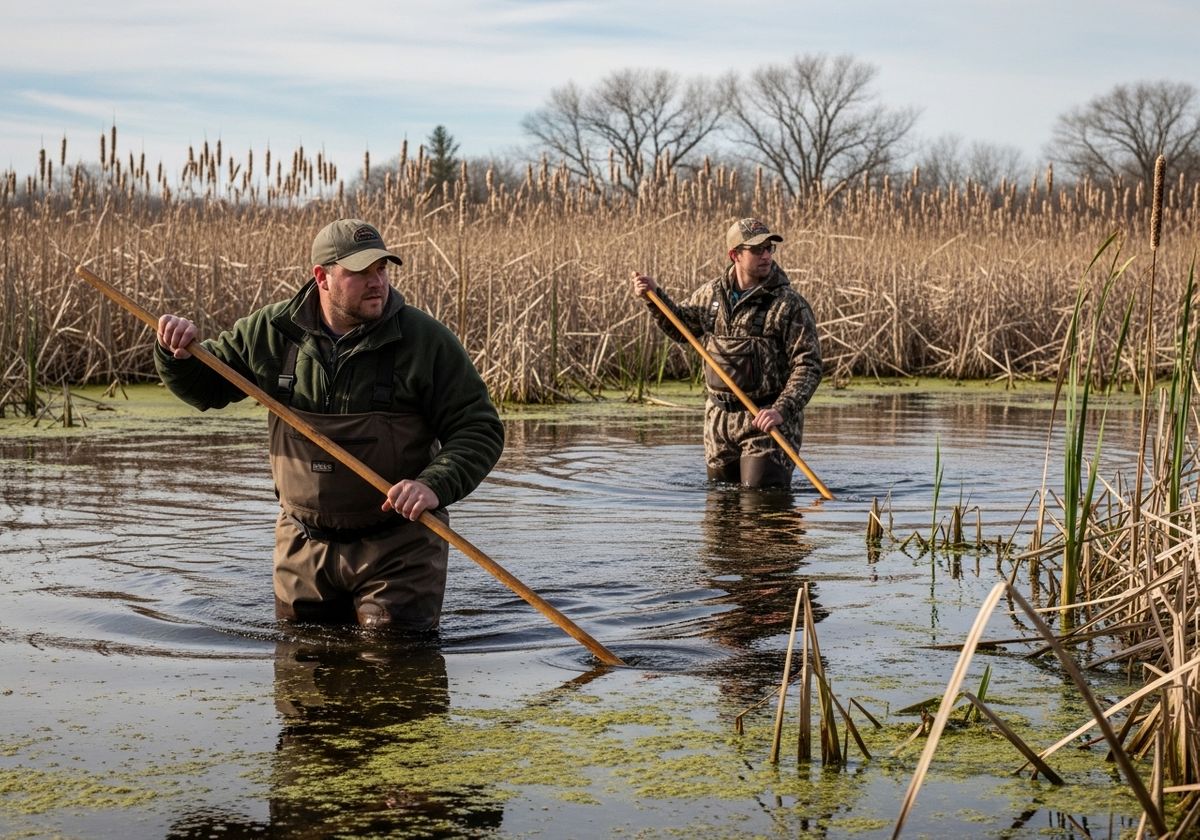
Scout the Area: Before you start hunting, scout the area during daylight to identify potential hazards such as deep holes, submerged objects, and strong currents.
Check Water Depth: Use a wading staff or stick to probe the water depth before taking each step. Be especially cautious in areas with poor visibility.
Avoid Deep or Fast-Moving Water: As a general rule, avoid wading in water that is deeper than your wader tops or has a strong current. These conditions can quickly become dangerous.
Buddy System: Always hunt with a buddy. In case of an emergency, your partner can provide immediate assistance or call for help.
Staying Warm and Dry
Hypothermia is a significant risk when wader hunting, especially in cold weather. Here's how to stay warm and dry:
Dress in Layers: Wear moisture-wicking layers under your waders to prevent sweat from cooling your body down. Add insulating layers like fleece or wool for warmth.
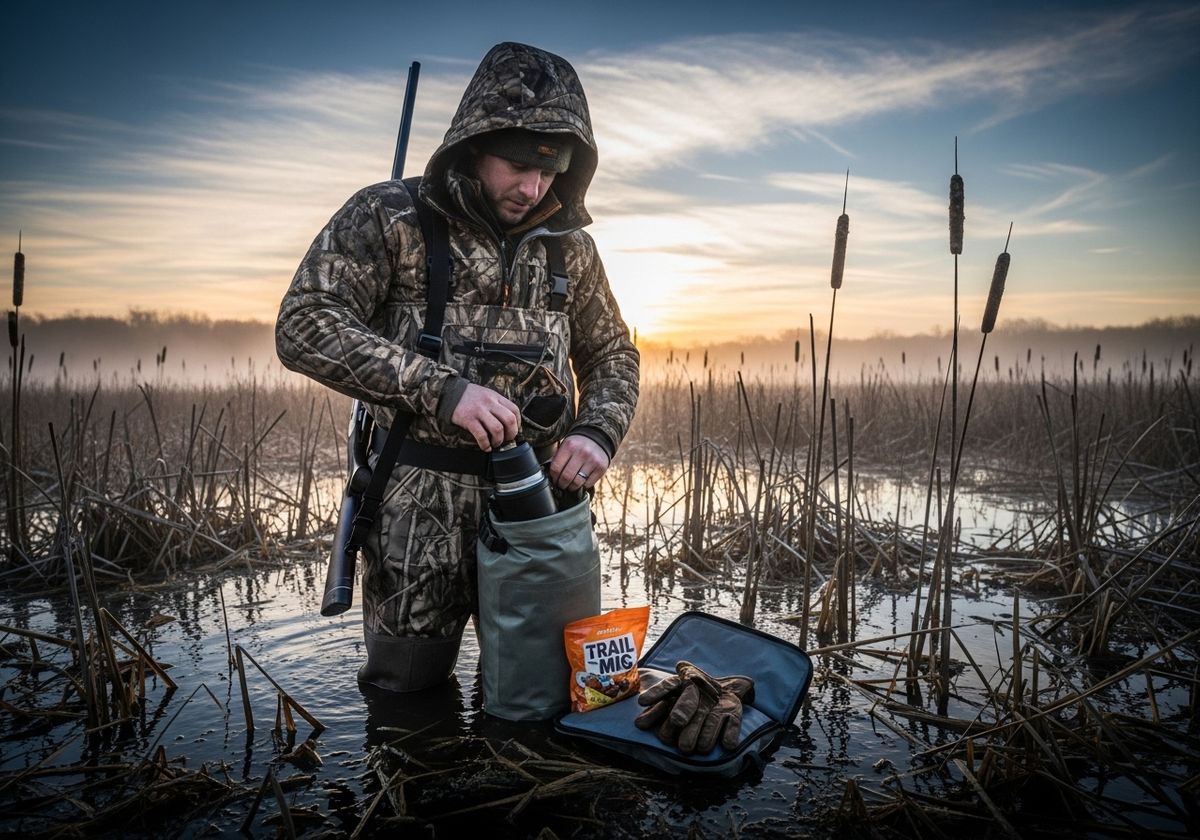
Waterfowl Hunting Gear: Bring waterproof bags for your Hunting calls and other gear to keep them dry and protected.
Stay Hydrated and Fueled: Drink plenty of water and eat snacks to maintain your energy levels and body temperature.
Recognize Hypothermia Symptoms: Learn to recognize the early symptoms of hypothermia, such as shivering, confusion, and slurred speech. If you or your buddy experience these symptoms, seek immediate medical attention.
Additional Safety Tips
Inform Someone of Your Plans: Always let someone know where you're going and when you expect to be back.
Carry a Communication Device: Bring a fully charged cell phone or a two-way radio in a waterproof bag to call for help if needed.
Be Aware of the Weather: Check the weather forecast before you head out and be prepared for changing conditions.
Staying safe while wader hunting requires preparation, awareness, and the right gear. From investing in quality duck hunting waders and utilizing motion duck decoys, to understanding the environment and potential hazards, every precaution contributes to a safer and more enjoyable experience. At Whistlepig Outdoors, established in 2023, we are committed to providing high-quality hunting products. Explore our range of waterfowl hunting gear to ensure you're well-equipped for your next adventure. Contact us with any questions you may have, and stay safe out there!