
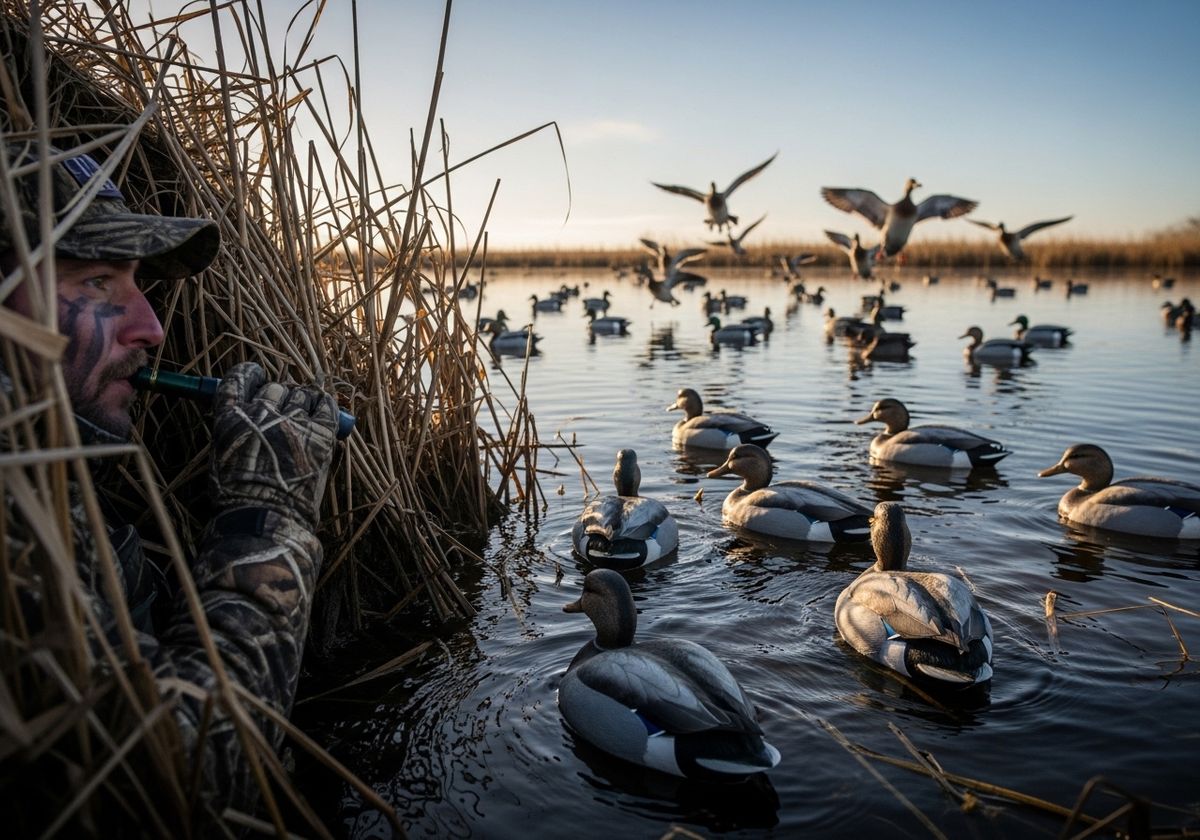
Waterfowl hunting is a thrilling pursuit that demands skill, patience, and the right equipment. Among the essential tools for a successful hunt, waterfowl calls stand out as a critical element. Mastering the use of these calls can significantly increase your chances of attracting ducks and geese, leading to a more rewarding experience in the field. Let's delve into how you can maximize your hunt by effectively using waterfowl calls.
Understanding Different Types of Waterfowl Calls
Before heading out, it's crucial to familiarize yourself with the various types of hunting calls available. Duck calls typically mimic the sounds of mallards, pintails, and other common species, while goose calls replicate the honks and calls of Canada geese and snow geese. Within each category, there are different styles, such as single-reed and double-reed duck calls, each producing unique tones and requiring different levels of expertise to operate effectively.
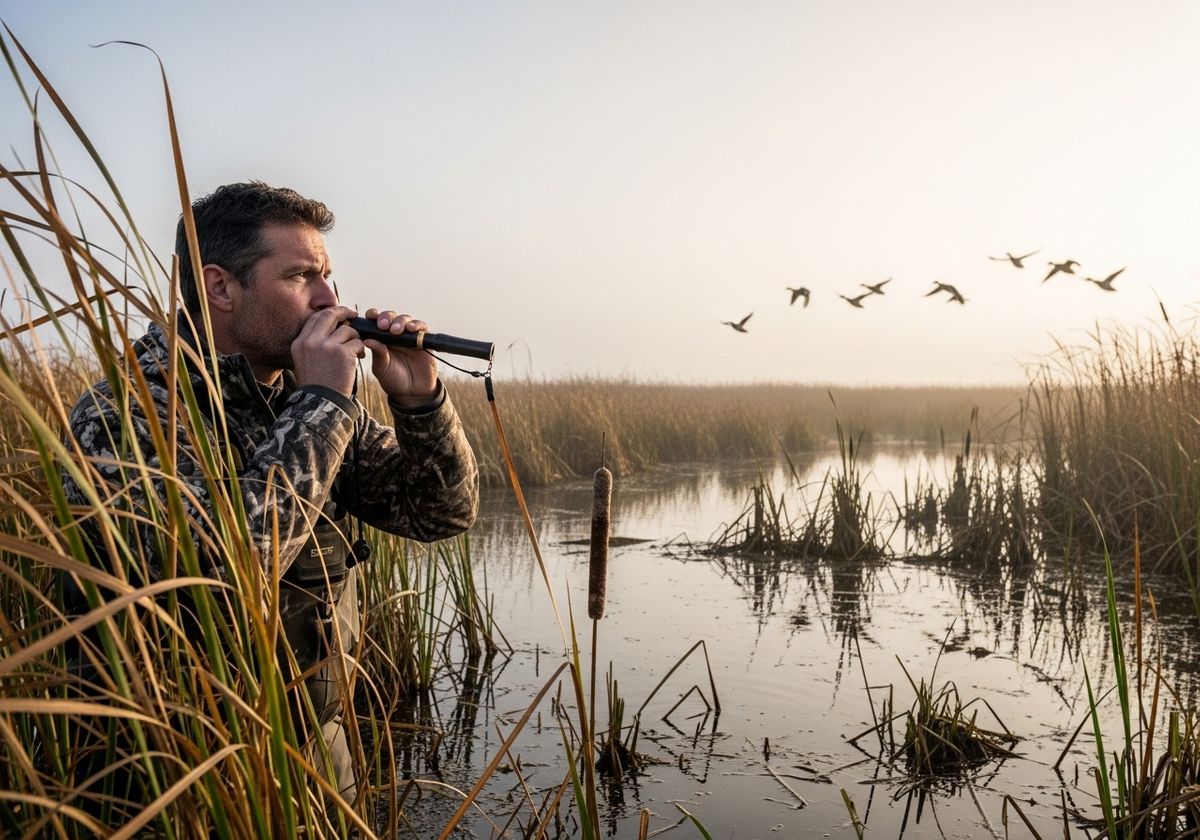
Mastering the Art of Calling
Effective calling isn't just about making noise; it's about creating realistic and enticing sounds that will attract waterfowl. Start by learning the basic calls of the species you're targeting. For ducks, this might include the feeding call, greeting call, and comeback call. For geese, focus on mastering the honk, moan, and cluck. Practice these calls regularly, and pay attention to the cadence, tone, and volume. Listening to recordings of real waterfowl can help you fine-tune your technique.
When and How to Call
Knowing when and how to call is just as important as the sounds you produce. In general, it's best to start with soft, subtle calls when birds are far away, gradually increasing the intensity as they approach. Avoid over-calling, as this can spook wary birds. Pay attention to the birds' reactions and adjust your calling accordingly. If they seem interested, keep calling; if they flare or veer away, reduce your calling or try a different call.
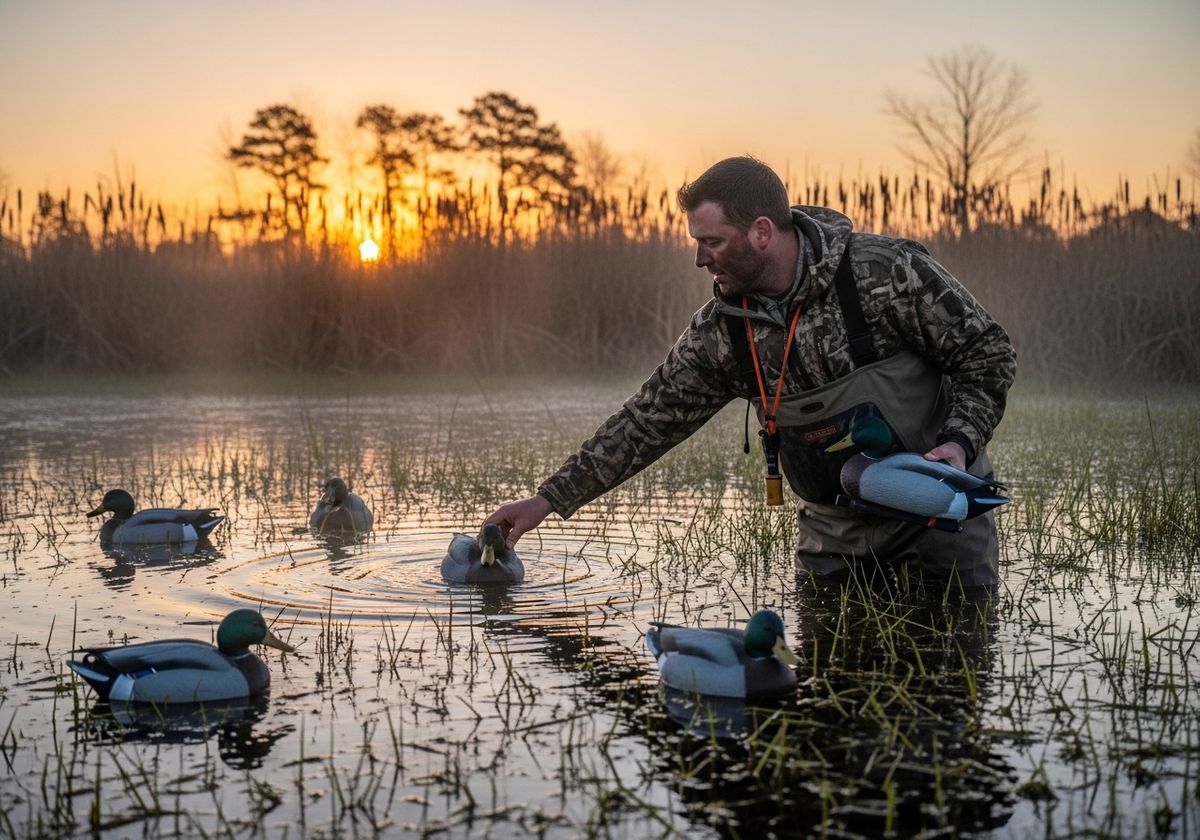
Incorporating Motion Duck Decoys
To further enhance your calling efforts, consider using motion duck decoys. These decoys create realistic movement on the water, attracting attention and convincing waterfowl that the area is safe. Combine your calls with the visual appeal of motion decoys to create a more convincing setup.
Essential Gear for Waterfowl Hunting
In addition to calls and decoys, there are several other essential pieces of waterfowl hunting gear that can improve your success. Duck hunting waders are a must-have for staying dry and comfortable in marshy environments. A reliable shotgun, appropriate ammunition, and effective camouflage are also crucial. Don't forget to bring along a comfortable blind or layout blind to conceal yourself from wary birds.
Mastering the art of waterfowl calling is a journey that requires dedication and practice. By understanding different types of calls, honing your calling technique, and using calls in conjunction with motion duck decoys, you can significantly increase your chances of success. Remember to equip yourself with the right gear, including quality duck hunting waders, to ensure a comfortable and productive hunt. At Whistlepig Outdoors, founded in 2023 and based in Missouri, we are committed to providing high-quality hunting products to enhance your outdoor experiences. Explore our selection of waterfowl hunting gear today and take your hunt to the next level. Contact us with any questions, and check out our other blog posts for more hunting tips and tricks!