
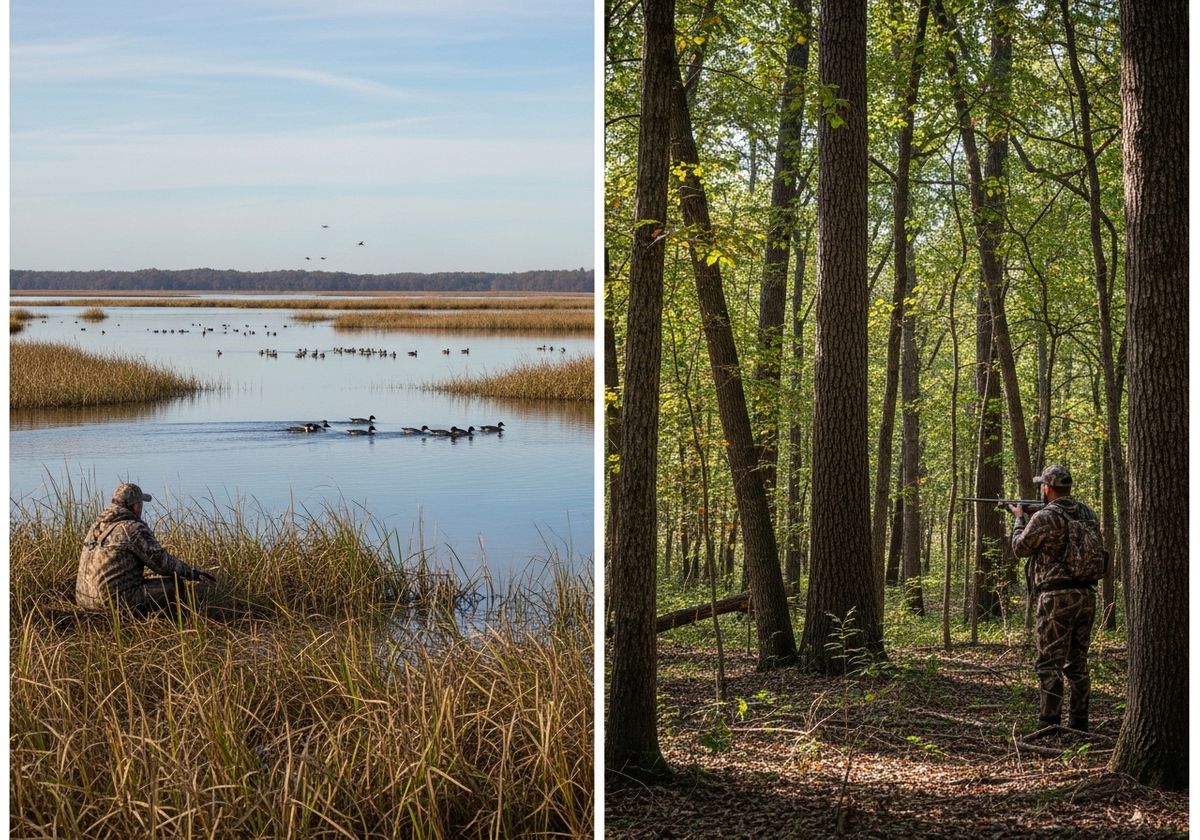
Understanding how sound travels in different environments is crucial, especially for hunters who rely on auditory cues for locating game. The way sound propagates over water differs significantly from how it does so in timbered areas, impacting everything from calling effectiveness to judging distances. Let's delve into the science behind these differences to help you optimize your hunting strategy. Contact Whistlepig Outdoors for more information!

Sound Over Water
Water provides a relatively uniform medium for sound to travel through. Sound waves can travel great distances with minimal obstruction due to the lack of dense vegetation or uneven terrain. Additionally, temperature gradients near the water's surface can create sound refraction, bending the sound waves back toward the surface. This phenomenon allows sound to travel even further than usual, which is why sounds often seem louder and clearer across open water. Hunters need to be especially mindful of this when using hunting calls, as the sound can carry farther than anticipated, potentially alerting waterfowl from a greater distance. This is especially true when utilizing hunting calls that mimic waterfowl.
Sound in Timber
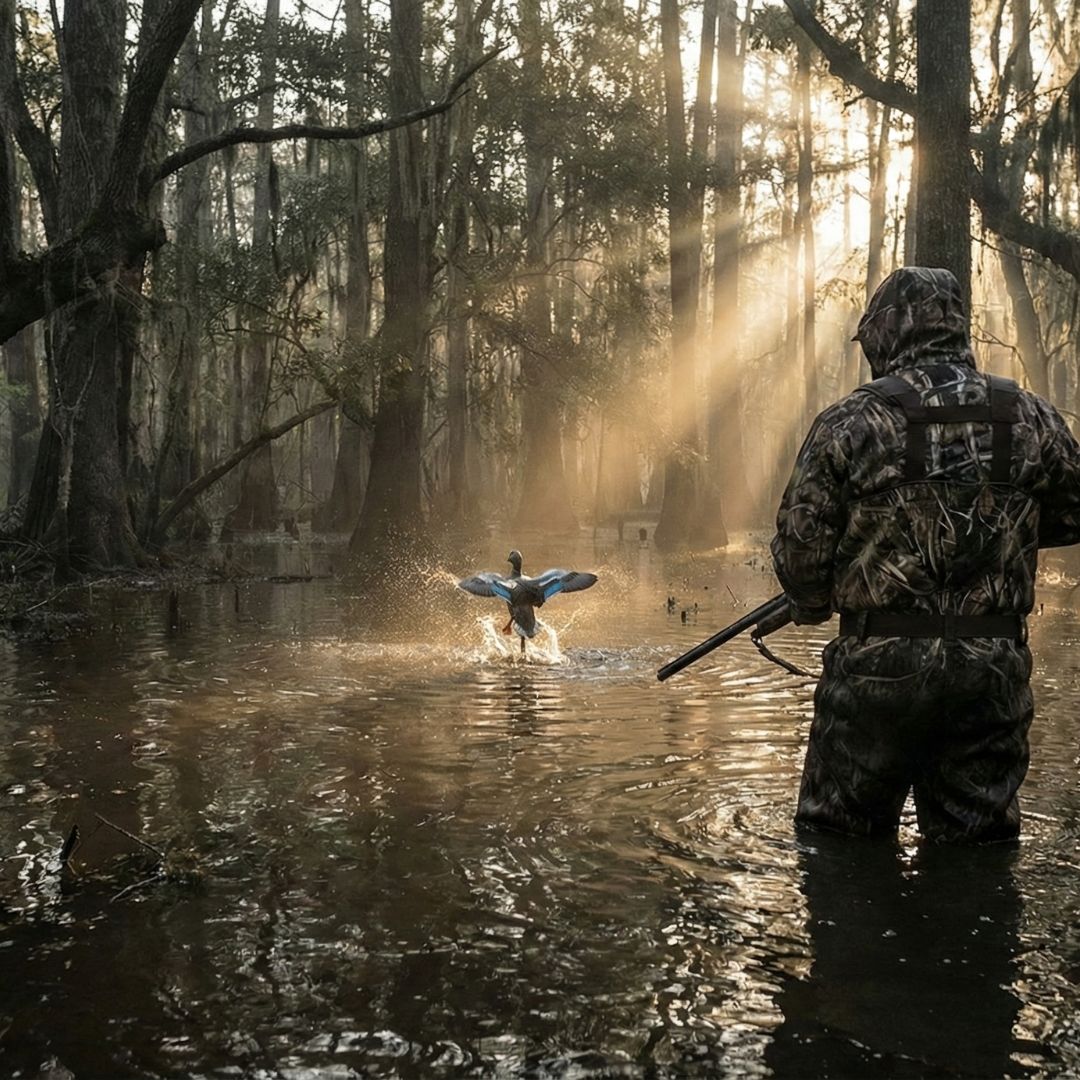
In contrast, timbered areas present a complex acoustic environment. Trees, underbrush, and varying terrain can scatter, absorb, and reflect sound waves. This creates a more diffused and less predictable soundscape. The density of the foliage also plays a significant role; denser forests tend to dampen sound more effectively than sparse woodlands. Furthermore, changes in elevation and the presence of valleys or ridges can cause sound to be blocked or redirected, making it challenging to pinpoint the source accurately. Hunters in timbered areas should use motion duck decoys to grab attention.
Practical Implications for Hunters
Waterfowl Hunting: When hunting over water, understanding that sound carries farther means you might need to use hunting calls more sparingly and at lower volumes. Invest in high-quality duck hunting waders to position yourself effectively without making excessive noise.
Timber Hunting: In timbered areas, consider using louder hunting calls or electronic calls to overcome the sound-dampening effects of the environment. Be aware that the direction and distance of sounds can be deceptive due to echoes and reflections.
By understanding the unique acoustic properties of water and timber, hunters can adapt their strategies to improve their chances of success. Whether it's selecting the right waterfowl hunting gear for a marsh hunt or mastering the art of calling in the woods, knowledge of sound propagation is a valuable asset. At Whistlepig Outdoors, established in 2023, we aim to provide you with not only high-quality hunting products but also the knowledge to use them effectively. Explore our range of hunting calls and gear, and don't hesitate to contact our experts with any questions. Happy hunting!